Credit utilization is a critical factor in determining your credit score and, consequently, your financial health. In Malaysia, credit utilization refers to the percentage of available credit that you are currently using across your credit accounts, such as credit cards, personal loans, and lines of credit. It is an important indicator of how well you manage your credit, and lenders use it as a key factor in assessing your creditworthiness.
A lower credit utilization rate indicates that you are using a smaller portion of your available credit, which can be seen as a sign of responsible credit management. On the other hand, a higher credit utilization rate can negatively impact your credit score, suggesting that you may be relying too heavily on credit. This is why it’s essential to keep track of your credit utilization and aim for a lower ratio to improve your chances of securing favorable loan terms, such as lower interest rates. Generally, a lower credit utilization rate reflects positively on your ability to manage debt effectively.
What Factors Into Your Credit Utilization?
Credit utilization is not just about how much credit you are using, but also about the different types of credit accounts you hold. In Malaysia, your credit utilization rate is influenced by several factors, including the type of credit accounts you have and the total credit limits available to you.
- Credit Cards: The most common type of credit account that impacts your credit utilization rate is your credit card. The total balance on your credit card relative to your credit limit determines your credit utilization ratio for that card.
- Personal Loans: Unlike credit cards, personal loans do not have a revolving balance. However, the remaining balance on your loan still contributes to your overall credit utilization rate.
- Lines of Credit: Like credit cards, lines of credit are revolving accounts, and the balance relative to the limit is factored into your credit utilization.
- Credit Limits: The more credit you have available, the lower your utilization rate can be if you keep balances low. It’s important to regularly monitor your credit limits and avoid maxing out your available credit.
These factors work together to calculate your overall credit utilization rate. When calculating, it’s important to consider not only the amount you owe but also the total credit available to you, as both can have a significant impact on your credit score in Malaysia.
How to Calculate Your Credit Utilization?
Calculating your credit utilization is a straightforward process. Here's a step-by-step guide to help you determine this important financial metric:
- List Your Credit Accounts: Begin by identifying all of your credit accounts, including credit cards, personal loans, and lines of credit.
- Check Your Credit Balances: Look at the current balance on each of your credit accounts. This includes any outstanding amounts on your credit cards or loans.
- Determine Your Credit Limits: Next, note the credit limit for each of your credit accounts. This information is typically available on your credit card statements or loan documents.
- Use the Credit Utilization Formula: To calculate your credit utilization rate for each account, use the following formula: Credit Utilization Rate=(Total Balance / Total Credit Limit)×100
- Calculate Overall Credit Utilization: To find your overall credit utilization rate, add up the total balance of all your credit accounts and the total credit limits across all accounts. Then, apply the same formula: Overall Credit Utilization Rate = (Total Balances of All Accounts / Total Credit Limits of All Accounts)×100
For example, if you have a total credit limit of RM 10,000 and your balance is RM 3,000, your credit utilization rate would be:
(3000 / 10000)×100=30%
This means you are using 30% of your available credit, which can impact your credit score depending on other factors.
What Is a Good Credit Utilization Rate?
In Malaysia, a good credit utilization rate typically falls below 30%. Keeping your credit utilization rate below this threshold is considered favorable by most credit scoring models. Here's how different utilization rates can affect your credit score:
- Below 30%: A credit utilization rate of under 30% is ideal, as it suggests that you are using credit responsibly without overextending yourself. This is typically seen as a sign of good financial management.
- Between 30% and 50%: A utilization rate within this range might start to have a moderate negative impact on your credit score, especially if it's consistently high.
- Above 50%: Credit utilization rates above 50% can significantly lower your credit score. High utilization may signal to lenders that you are relying heavily on credit, which could make them wary of extending new credit or loans.
- Above 80%: Utilization rates over 80% are seen as risky. This level of credit usage suggests potential financial strain, and lenders may be less likely to offer favorable credit terms.
By maintaining a low credit utilization rate, you can enhance your creditworthiness and improve your chances of getting better loan terms in the future.
How Does Credit Utilization Affect Your Credit Score?
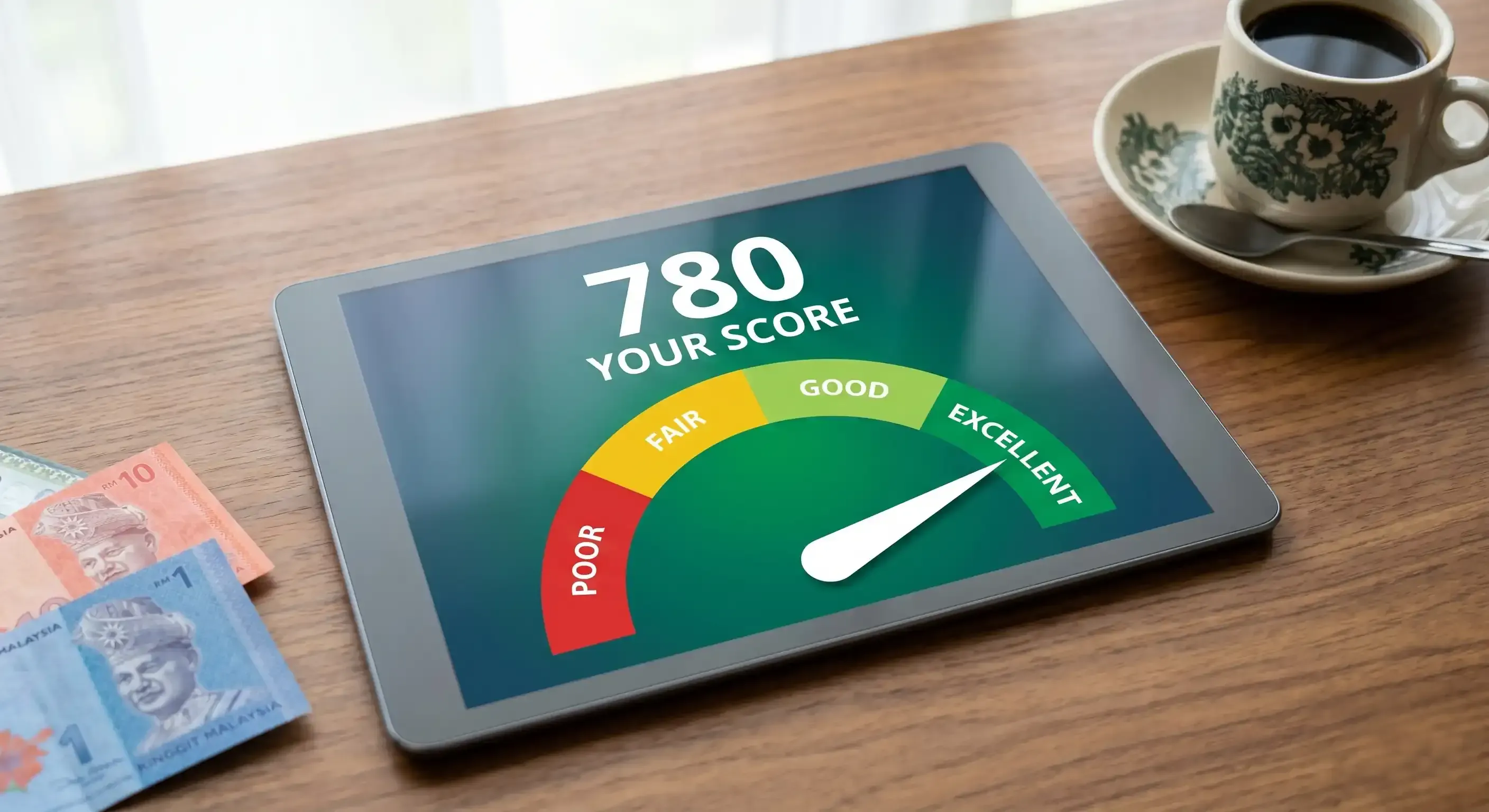
Credit utilization is one of the most significant factors influencing your credit score. In Malaysia, credit scoring models, such as those used by major credit bureaus, consider your credit utilization rate as a key indicator of how well you manage debt. The utilization rate typically accounts for about 30% of your overall credit score, making it a critical aspect to monitor.
When your credit utilization rate is high, it suggests that you are relying heavily on credit, which can signal financial instability. Lenders may view this as a risk, as it implies you may have difficulty managing debt. A higher credit utilization rate can lower your score, potentially making it more challenging to secure loans or credit cards at favorable terms.
For example, if your credit utilization is above 50%, your credit score might be negatively impacted by several points, depending on other factors such as your payment history and length of credit history.
Conversely, maintaining a low credit utilization rate—generally below 30%—is seen as a sign of responsible credit management. When you use only a small portion of your available credit, it signals to lenders that you can manage debt without overextending yourself. This can have a positive effect on your credit score, potentially increasing it over time.
Moreover, the timing of your credit utilization also matters. If you max out your credit cards or lines of credit and fail to pay down the balance quickly, this can have an immediate negative impact on your credit score. On the other hand, paying off balances in a timely manner can help improve your score, especially if your utilization rate decreases over time.
To put it simply, a lower credit utilization rate generally correlates with a higher credit score, while a higher rate can harm your score and hinder your chances of receiving favorable credit offers.
How to Lower Your Credit Utilization Rate?
Lowering your credit utilization rate is an effective strategy for improving your credit score. Here are several methods to help you achieve a lower utilization rate:
- Pay Down Your Balances: The most direct way to reduce your credit utilization is to pay off your credit card balances. If you're unable to pay off the full amount, aim to reduce your balances as much as possible. Reducing debt not only lowers your utilization rate but also improves your overall financial health.
- Request Higher Credit Limits: If your credit card issuers are willing to increase your credit limits, this can lower your utilization rate without you needing to pay off your balances. However, it's important to resist the temptation to spend more with the higher limit. Use the increased credit limit to maintain the same spending habits while lowering the utilization rate.
- Avoid Closing Old Accounts: The length of your credit history and your total available credit play an important role in your credit score. Closing old credit card accounts reduces your available credit, which can increase your utilization rate. Keeping these accounts open, even if you don’t use them, can help keep your utilization low.
- Use Cash or Debit Cards for Purchases: Instead of charging purchases to your credit cards, consider using cash or a debit card for everyday expenses. This strategy helps you avoid adding more debt to your credit cards, thus keeping your utilization rate in check.
- Transfer Balances: If you have multiple credit cards with high balances, you may consider transferring some of those balances to a card with a higher credit limit or a promotional 0% interest rate. This can spread your debt more evenly across accounts, reducing the overall utilization rate.
- Track Your Spending: Regularly monitor your credit card spending to ensure that you're staying within a reasonable range. This will help you avoid overspending and accumulating debt that could negatively affect your credit utilization rate.
By implementing these strategies, you can gradually lower your credit utilization rate and improve your credit score over time, giving you better financial flexibility and access to favorable credit terms.
How to Track Your Credit Utilization?
Tracking your credit utilization is essential for managing your finances and ensuring your credit score remains in good standing. Here’s how to keep tabs on your credit utilization:
- Check Your Credit Report: In Malaysia, you can request a copy of your credit report from major credit bureaus like CTOS and Experian. Your report will show all your active credit accounts and balances, which you can use to calculate your credit utilization rate.
- Use Online Platforms and Apps: Many financial institutions and credit card companies provide tools that help track your credit utilization.
- Set Alerts: Many credit card issuers allow you to set utilization alerts. These notifications can inform you when your credit utilization reaches a certain threshold, helping you stay on top of your finances and avoid overextending yourself.
By consistently checking your credit utilization, you can maintain control over your finances and make adjustments before your utilization rate negatively impacts your credit score.
Key Takeaways and Recommendations
Maintaining a low credit utilization rate is crucial for protecting your credit score and improving your financial health. As we've discussed, credit utilization significantly impacts your credit score and can either help or hinder your chances of securing favorable credit terms.
To keep your credit score healthy, aim to keep your credit utilization rate below 30%. Regularly track your spending and credit usage through credit reports and online platforms. If your utilization is high, take steps such as paying down balances or requesting higher credit limits to improve your ratio.
By managing your credit utilization responsibly, you can enhance your financial opportunities, improve your credit score, and qualify for better loan terms. Make it a habit to monitor your credit utilization regularly to ensure long-term financial success.
Legal Notice
The contents of this publication are for reference purposes only and may not be current as at the date of accessing this publication. We do not take responsibility for the accuracy of its contents. They do not constitute legal advice and should not be relied upon as such. Specific legal advice about your specific circumstances should always be sought separately before taking any action based on this publication.