Your credit score plays a crucial role in your financial life, and any changes to it can significantly impact your ability to secure loans and favorable terms. Minor fluctuations in your credit score are not usually a cause for concern, but a significant drop requires attention and action.
In this article, we will explore the main reasons why your credit score might decrease. We will also provide tips on how to restore and maintain a good credit score, so you can make more informed financial decisions and protect your financial health.
What Affects Credit Score Fluctuations
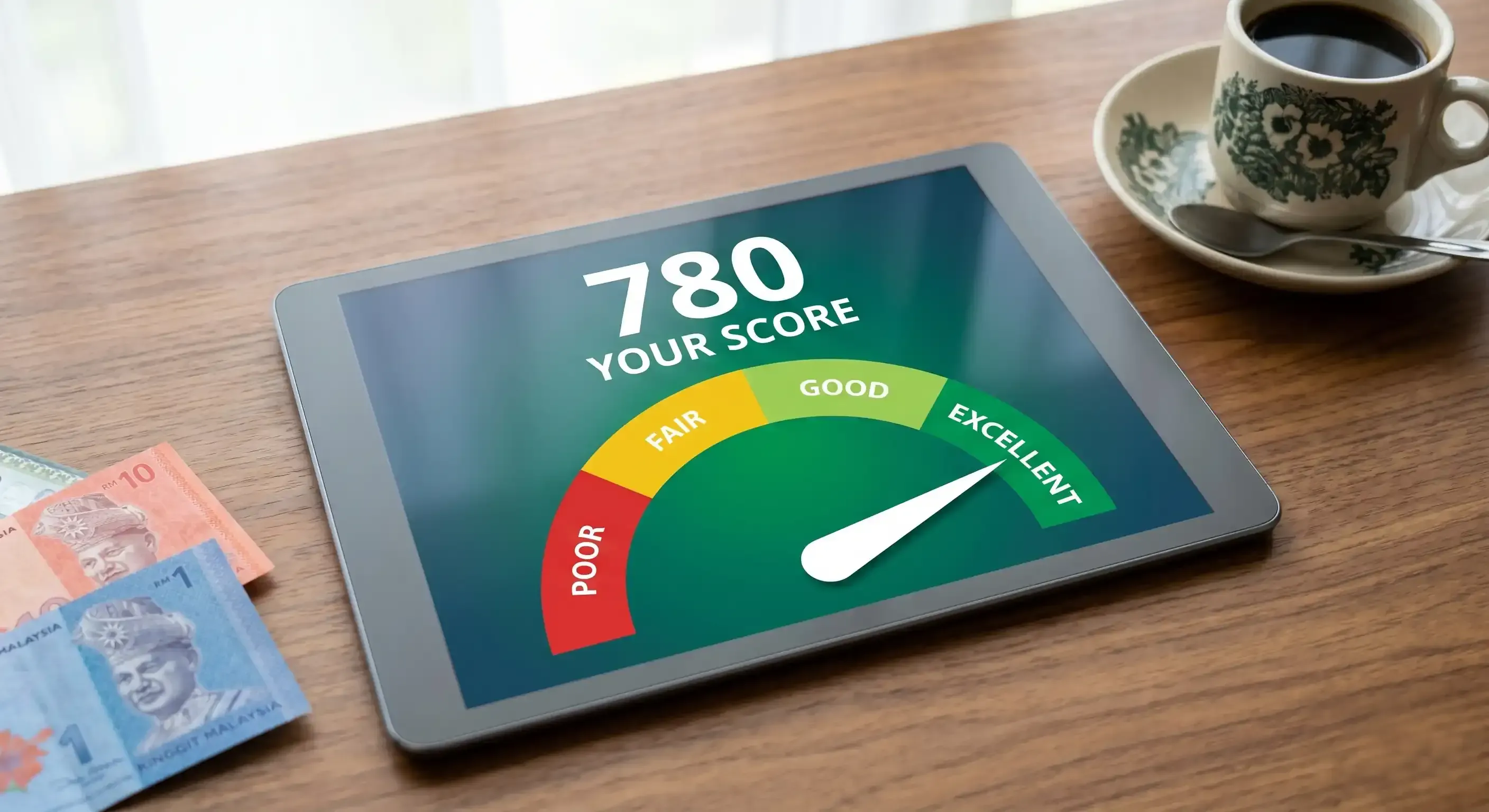
A credit score is a numerical representation of an individual's creditworthiness, calculated based on factors like payment history, outstanding debt, credit inquiries, and the length of credit history. In Malaysia, credit scores typically range from 300 to 850, with higher scores indicating a more favorable credit risk.
Credit score fluctuations are a normal part of the financial process. Small, temporary changes, such as minor shifts in your credit usage or the timing of bill payments, usually do not signal a significant problem. However, large, sudden drops can indicate underlying financial issues that need attention.
In Malaysia, banks and financial institutions use credit scores to assess risk when providing loans, credit cards, or other forms of credit. If you notice a significant drop, it’s essential to investigate the cause and take steps to address it. Regularly monitoring your credit score and understanding the factors that contribute to its changes can help you maintain good credit health and ensure you receive favorable financial terms.
Common Reasons for a Drop in Your Credit Score
Several factors can contribute to a drop in your credit score. Understanding these reasons is the first step in addressing any issues. Here are some of the most common reasons for a decline in your score:
- Missed or Late Payments: Late payments can have a significant impact on your score, especially if they are reported to the credit bureaus.
- High Credit Card Balances: Maintaining high balances relative to your credit limit can raise your credit utilization ratio, which negatively affects your score.
- Closing Credit Accounts: Closing old credit accounts, particularly those with long histories, can shorten your credit history and lower your score.
- New Credit Applications: Frequently applying for new credit can lead to multiple hard inquiries, which can slightly reduce your score.
To fix these issues, consider paying bills on time, reducing credit card balances, and avoiding unnecessary credit applications.
1. Missed or Late Payments
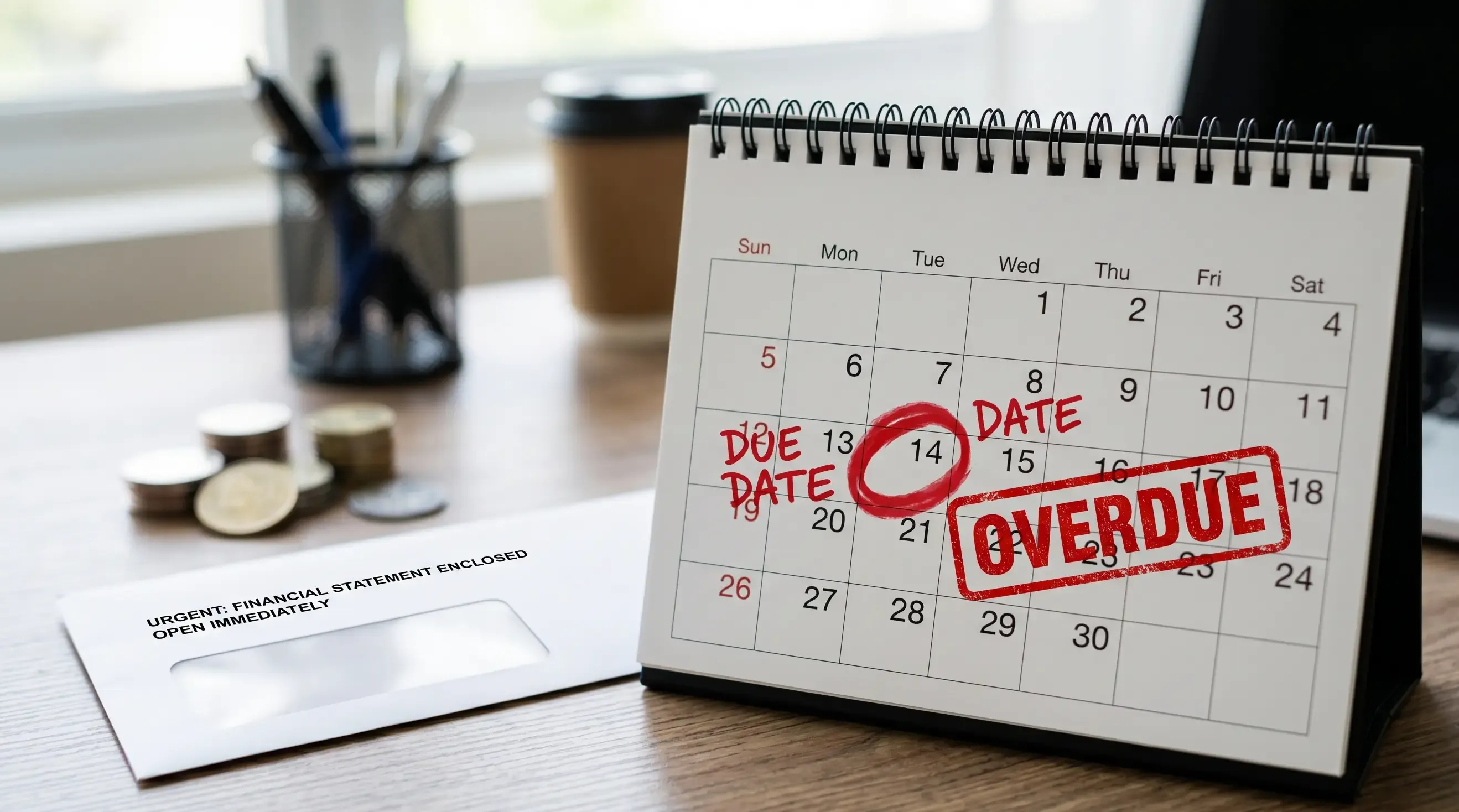
Missed or late payments are one of the most damaging factors for your credit score. When you miss a payment or pay it after the due date, your credit card issuer or lender may report the late payment to credit bureaus, which can cause a significant drop in your score.
Payment history makes up about 35% of your credit score, making it one of the most crucial aspects to maintain. A single missed payment can stay on your credit report for up to seven years, continuing to impact your score long after the event.
To avoid late payments, set up automatic payments for recurring bills, ensuring you never miss a due date. Additionally, setting reminders a few days before your bills are due can help you stay on top of payments. If you do miss a payment, contact your creditor as soon as possible to see if they can offer a solution, such as waiving late fees or preventing a negative report to the credit bureaus.
2. High Credit Card Balances
Carrying high credit card balances can negatively affect your credit score by increasing your credit utilization ratio, which is the percentage of your available credit that you are using. This ratio is a key factor in your credit score calculation, and a high ratio signals to lenders that you may be overextended financially. Ideally, you should aim to keep your credit utilization below 30% of your available credit limit.
To improve your credit score, focus on paying down high balances and avoid maxing out your credit cards. Regularly paying off debt can lower your credit utilization ratio and improve your score. Additionally, consider asking your credit card issuer for a credit limit increase, which can lower your utilization ratio without requiring you to pay down your balance immediately. Managing credit responsibly is key to maintaining a healthy score.
3. Closing Credit Accounts
Closing old credit accounts can have a negative effect on your credit score by shortening your credit history, which accounts for 15% of your score calculation. The length of your credit history is important because it shows lenders how long you've been managing credit. When you close an account, particularly one with a long history, it reduces the average age of your accounts and can lower your overall score. Additionally, closing an account can also impact your credit utilization ratio if the closed account has a high credit limit.
To maintain a healthy credit score, it's advisable to keep older accounts open, even if they are not being used regularly. If you must close an account, consider the impact it will have on your credit history and utilization ratio. If possible, avoid closing your oldest or most established accounts.
4. New Credit Applications
When you apply for new credit, the lender typically performs a hard inquiry on your credit report. While a single hard inquiry may only cause a small dip in your score, multiple inquiries within a short period can have a more significant impact. This is because multiple credit applications suggest to lenders that you may be facing financial difficulties or taking on too much debt.
To minimize the impact on your score, try to space out credit applications and avoid applying for several credit lines at once. If you're planning to make a major purchase, such as a car or home, consider holding off on other credit applications for a few months before and after the loan application. Planning ahead can help protect your score and improve your chances of approval.
5. Fraud and Identity Theft
Fraud and identity theft can have a severe impact on your credit score. If someone gains access to your personal information, they could open new accounts in your name, accrue debt, and leave you responsible for the charges. Fraudulent activity on your credit report can significantly lower your score, as it may appear like you're over-extended or unable to manage credit properly. It's essential to act quickly if you suspect that you have been a victim of identity theft.
To prevent fraud, regularly monitor your credit reports and check for any suspicious activity. In Malaysia, you are entitled to request a free credit report annually from major credit bureaus. If you notice unfamiliar accounts or transactions, contact the lender immediately to report the fraud.
Additionally, consider placing a fraud alert or freezing your credit to prevent further misuse of your personal information. Securing your personal data by using strong passwords and being cautious with sharing sensitive information can also reduce your risk of falling victim to fraud.
How to Restore Your Credit Score
Restoring a low credit score requires proactive steps and consistency. Begin by carefully monitoring your credit reports for errors or fraudulent activity. If there are mistakes, dispute them with the credit bureaus. Paying off outstanding debts, especially high credit card balances, and avoiding new credit applications can help raise your score over time. If you miss payments, work with creditors to catch up and set up automatic payments to prevent future late fees.
Remember, improving your credit score takes time and patience, but with steady effort, you can restore your financial standing. By practicing good credit habits, like making payments on time, keeping balances low, and safeguarding your personal information, you can ensure a healthier credit future.
Legal Notice
The contents of this publication are for reference purposes only and may not be current as at the date of accessing this publication. We do not take responsibility for the accuracy of its contents. They do not constitute legal advice and should not be relied upon as such. Specific legal advice about your specific circumstances should always be sought separately before taking any action based on this publication.