Choosing the right personal loan is a crucial financial decision that can impact your budget and financial health for years. With numerous lending options available, including traditional banks, credit unions, and online lenders, it’s essential to weigh the pros and cons of each.
Your choice depends on various factors like interest rates, loan terms, application processes, and credit requirements. Banks often offer lower interest rates but may have strict eligibility criteria and longer processing times.
Credit unions tend to offer more favorable rates due to their non-profit status, but they come with membership requirements. On the other hand, online lenders provide fast, easy access to funds with less stringent eligibility criteria, but they may charge higher interest rates. Understanding these differences will help you select the best lender to suit your needs.
Understanding Personal Loans: What You Need to Know
A personal loan is a versatile borrowing option that allows you to access a lump sum of money, which is typically repaid in fixed monthly installments over a set period. These loans are unsecured, meaning they don’t require collateral, making them more accessible to many borrowers.
Personal loans can be used for various purposes, such as consolidating debt, financing home improvements, covering medical expenses, or even funding a wedding. They offer flexibility, but the terms, such as interest rates and repayment periods, can vary significantly depending on the lender.
Types of personal loan by purposes:
| Loan Purpose | Example Use | Benefits | Risks and Limitations |
|---|---|---|---|
| Debt Consolidation | Combining multiple loans into one | Simplified payments, potential lower interest rate | Hidden fees, long-term commitments |
| Home Improvement | Renovating or repairing a home | Increased property value, improved comfort | Additional costs if the renovation goes over budget |
| Medical Expenses | Paying for medical treatments or procedures | Quick access to funds in emergencies | High-interest rates for poor credit borrowers |
| Car Purchase | Buying a new or used vehicle | Immediate access to funds for transportation | Depreciation of the car’s value over time |
| Education | Paying for tuition, courses, or training | Investing in future career opportunities | High-interest rates, long-term financial commitment |
| Wedding or Event Costs | Financing weddings or large events | Ability to host important events without delays | Debt after the event, possibly unnecessary expense |
| Vacation or Travel | Paying for a vacation or travel abroad | Opportunity to travel without saving first | High-interest charges if the loan is not repaid quickly |
| Furniture or Electronics | Purchasing furniture, household appliances | Immediate access to necessary items | High-interest rates for large loans |
| Emergency Expenses | Covering unexpected costs (e.g., car repairs) | Quick funds for urgent situations | High-interest rates for those with poor credit |
One of the key benefits of personal loans is the ability to predict your payments, as most loans have fixed interest rates, which means no surprises during the repayment process.
Banks vs. Online Lenders: Key Differences
When it comes to personal loans, banks and online lenders offer distinct advantages and challenges. One of the key differences is the application process. Banks often have a more lengthy and formal application process, requiring in-person visits or extensive documentation.
This can make the process slower, especially if you're applying for larger loans or need to undergo a detailed credit review. On the other hand, online lenders provide a faster, more streamlined application experience, with most applications completed entirely online. Some online lenders even offer pre-qualification, allowing you to check rates without affecting your credit score.
Eligibility requirements also differ between the two types of lenders. Banks typically have stricter eligibility criteria, often requiring a higher credit score and a more stable financial history. This makes them an excellent choice for borrowers with strong credit, as they can often access the most favorable terms.
Online lenders, however, tend to be more lenient, offering personal loans to borrowers with a wider range of credit scores, though they may come with higher interest rates for those with poor credit.
Interest rates are another area where banks and online lenders differ. Banks generally offer lower interest rates due to their larger pool of capital and more conservative lending practices. Online lenders, however, may charge higher rates to offset the increased risk associated with lending to borrowers with varying credit scores.
Customer service is another distinction; banks offer in-person support at branches, while online lenders rely on digital communication, which can be more convenient but may lack the personal touch.
Finally, banks may offer additional perks such as discounts for existing customers, making them an attractive option for loyal clients. Online lenders, while sometimes lacking these extra features, provide the benefit of quick access to funds, which is ideal for those in need of fast cash.
| Feature | Banks | Online Lenders |
|---|---|---|
| Interest Rates | Typically lower, especially for good credit | Generally higher, especially for lower credit scores |
| Approval Speed | Slower, may take several days or longer | Faster, often provides same-day or next-day approval |
| Eligibility Requirements | Stricter, usually require higher credit scores | More flexible, may accept a wider range of credit scores |
| Application Process | Often requires in-person visits or paperwork | Entirely online, more streamlined and convenient |
| Customer Service | In-person support available at branches | Online or phone support, no physical locations |
| Fees | May have hidden fees or account maintenance charges | Often fewer hidden fees, but may have higher overall interest rates |
| Loan Amounts | Often higher loan limits | May offer lower loan limits or be more specialized |
| Repayment Terms | Typically more rigid, longer repayment periods | More flexible repayment terms, but can vary by lender |
| Loan Types | Can offer a wider range of loan types, including mortgages and auto loans | Primarily personal loans, though some offer specialized loans |
| Customer Loyalty Perks | Discounts for existing customers, better terms for loyal clients | Typically no perks, but may offer faster access to funds |
Comparing Credit Unions to Other Lenders
Credit unions are often a great alternative to traditional banks and online lenders when considering personal loans. As not-for-profit institutions, credit unions typically offer lower interest rates on personal loans, making them an attractive option for borrowers looking to save on interest costs.
Since credit unions focus on benefiting their members rather than maximizing profits, their loan terms are often more favorable. Additionally, credit unions tend to be more flexible with loan approval, especially for members with less-than-perfect credit, giving them an edge over banks in certain cases.
However, credit unions do have some limitations. For one, they often require membership, which can involve meeting specific criteria, such as living in a certain area or working for a particular employer. This may make them less accessible to some borrowers.
Additionally, credit unions usually have fewer branches than banks, which can be inconvenient if you prefer in-person service. While many credit unions are improving their digital services, they may still lag behind online lenders in terms of the user experience and access to online tools. Despite these limitations, credit unions offer a compelling option for borrowers seeking competitive rates and a more personalized borrowing experience.
Pros and Cons of Online Lenders
Online lenders offer several advantages, particularly when it comes to convenience and speed. One of the biggest benefits is the fast application process. Most online lenders allow you to apply for a personal loan entirely online, often requiring minimal documentation and providing instant decisions.
Many lenders also offer the option to prequalify, which allows you to check your eligibility and interest rates without impacting your credit score. This makes it easier to shop around for the best loan terms before formally applying.
Another major advantage is fast funding. Many online lenders offer quick disbursement of loan funds, sometimes within a day or two, which is ideal for borrowers who need urgent access to cash. The convenience of applying from home and receiving funds quickly makes online lenders a popular choice for those looking for a simple, hassle-free borrowing experience.
However, online lenders also have some drawbacks. For one, they typically charge higher interest rates than banks or credit unions, especially for borrowers with less-than-ideal credit scores. Additionally, the lack of in-person customer service can be a downside for borrowers who prefer to have face-to-face interactions and ask questions directly. While customer support is available online or by phone, some individuals may find this less satisfying than the personal touch offered by traditional lenders.
How to Choose the Best Personal Loan Lender for You
Steps to сhoose the right lender:
1. Check your credit score;
2. Compare interest rates;
3. Review loan terms and fees;
4. Assess customer service options;
5. Verify lender reputation;
6. Read the fine print.
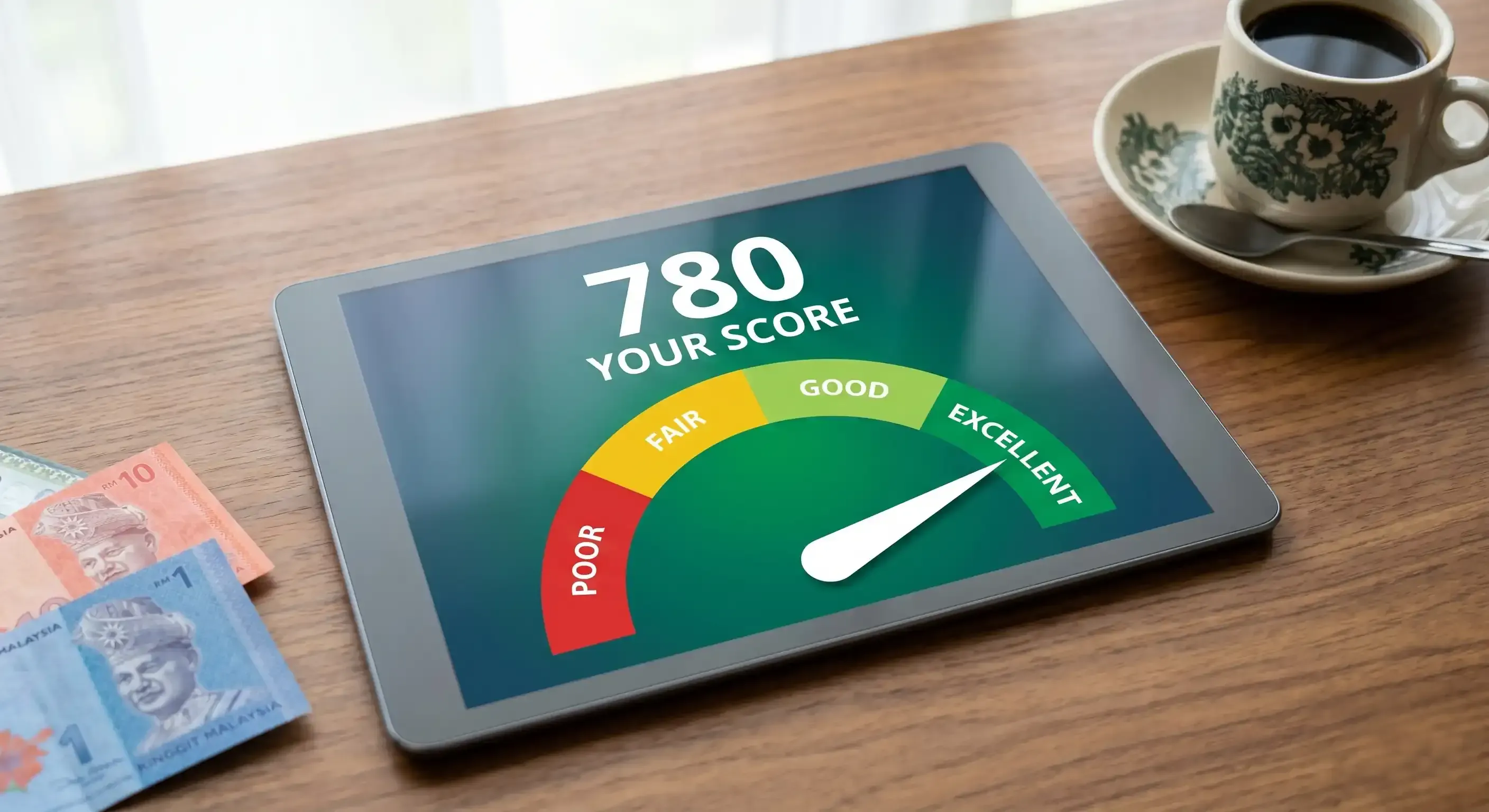
Choosing the best personal loan lender depends on several factors, starting with your credit score. Your credit history plays a significant role in determining the loan options available to you and the interest rates you'll receive. If your credit score is high, you’ll likely qualify for lower rates, while a lower score may limit your choices or result in higher interest rates.
Another important factor is the loan amount you need. Lenders have different minimum and maximum loan limits, so ensure that the lender you choose can accommodate your borrowing needs. Interest rates are also a key consideration—compare rates from different lenders to find the best deal for your financial situation.
Eligibility requirements vary from one lender to another. Traditional banks tend to have stricter criteria, while online lenders may offer more flexible terms. It's essential to assess the requirements and determine which lender aligns with your financial profile.
Customer service is another critical factor. If you prefer in-person interactions, a bank or credit union might be a better fit. However, if you value speed and convenience, an online lender may suit your needs better.
Lastly, consider the loan repayment terms, such as the length of the loan and whether there are any prepayment penalties, to ensure they match your financial plans.
When Is It Best to Apply for a Personal Loan with an Online Lender vs. a Bank or Credit Union?
Choosing between an online lender and a traditional bank or credit union largely depends on the urgency and nature of your financial needs. If you need funds quickly or for an emergency, an online lender is often the better choice.
Online lenders are known for their fast processing times, with many offering same-day or next-day funding. This makes them ideal for situations where you need quick access to cash, such as covering an unexpected medical expense or handling an urgent car repair.
On the other hand, if you’re planning a major purchase or looking for the best possible interest rate, a bank or credit union may be a more suitable option. These lenders typically offer lower interest rates, especially for borrowers with strong credit, and may provide more personalized service through in-person interactions. If you're not in a hurry to receive funds and want to secure the best loan terms, applying with a bank or credit union can help you save money in the long run, especially for large, planned expenses like home improvements or consolidating debt.
Additional Loan Options to Consider
While personal loans from banks, credit unions, and online lenders are popular options, there are other types of loans and financing solutions to consider. Peer-to-peer (P2P) loans have become a viable alternative, allowing you to borrow directly from individual investors through online platforms.
P2P loans often have competitive rates, especially for borrowers with good credit, but they may require more time to process.
Credit cards are another option, particularly if you need to make smaller purchases. They offer flexibility in repayment, but they can come with high-interest rates if the balance is not paid off quickly.
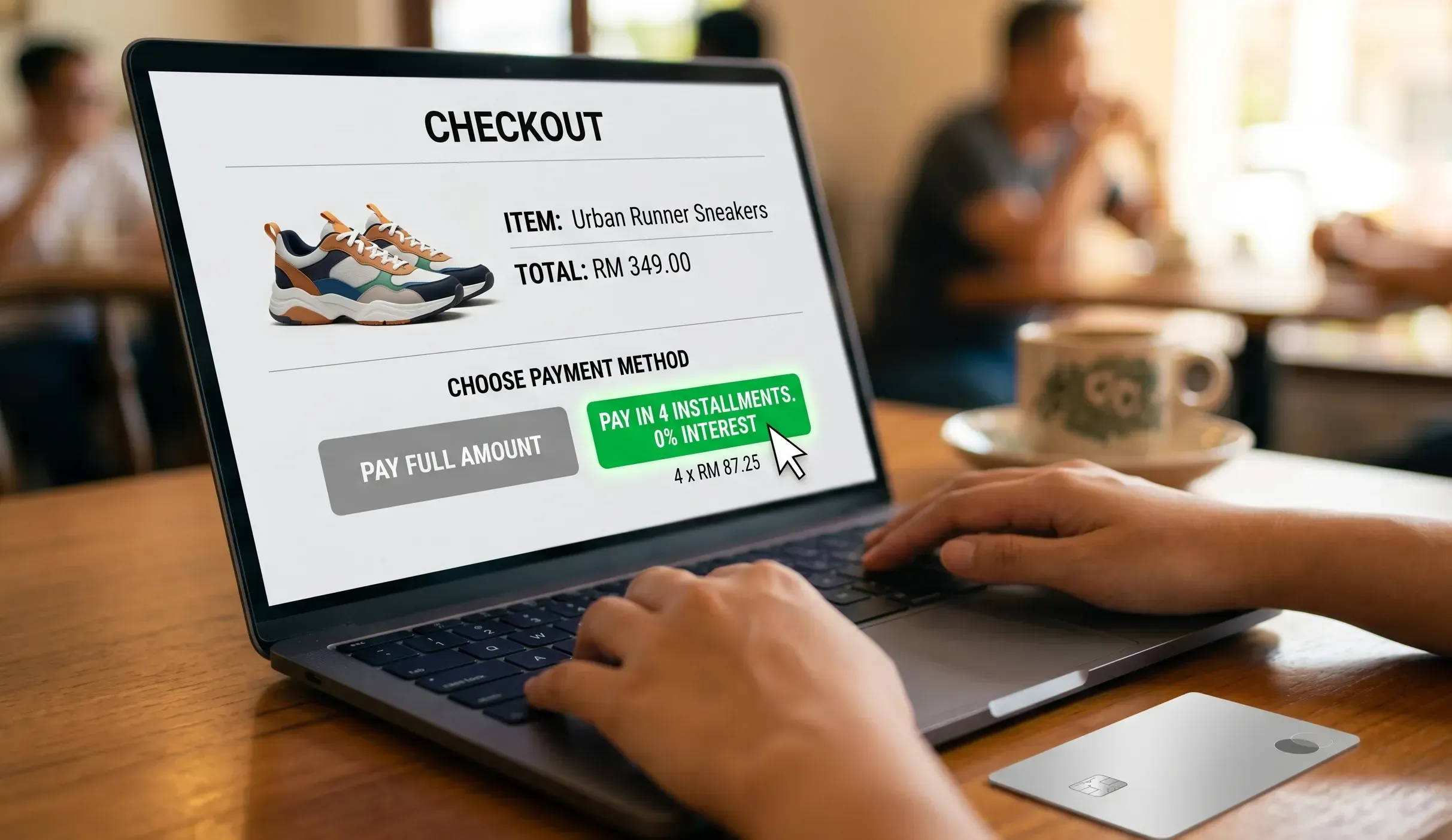
Additionally, buy-now-pay-later (BNPL) services have gained popularity, offering interest-free installment plans for purchases. This can be an attractive option for making large purchases without accruing interest, but it’s essential to read the fine print for fees or penalties if payments are missed.
Choosing the Right Lender for Your Personal Loan
In conclusion, selecting the right personal loan lender is critical to securing the best financial outcome. Whether you choose a bank, credit union, or online lender depends on your individual needs, including loan amount, repayment terms, and the urgency of your financial situation.
Key Takeaways:
- Always compare multiple lenders.
- Consider your credit score and needs.
- Banks = stability, Credit Unions = savings, Online Lenders = speed.
- Choose based on both rates and service.
By comparing interest rates, eligibility requirements, and customer service offerings, you can find the lender that provides the most favorable terms for your circumstances. Taking the time to explore all your options will ensure you make a well-informed decision that aligns with your financial goals.
Legal Notice
The contents of this publication are for reference purposes only and may not be current as at the date of accessing this publication. We do not take responsibility for the accuracy of its contents. They do not constitute legal advice and should not be relied upon as such. Specific legal advice about your specific circumstances should always be sought separately before taking any action based on this publication.