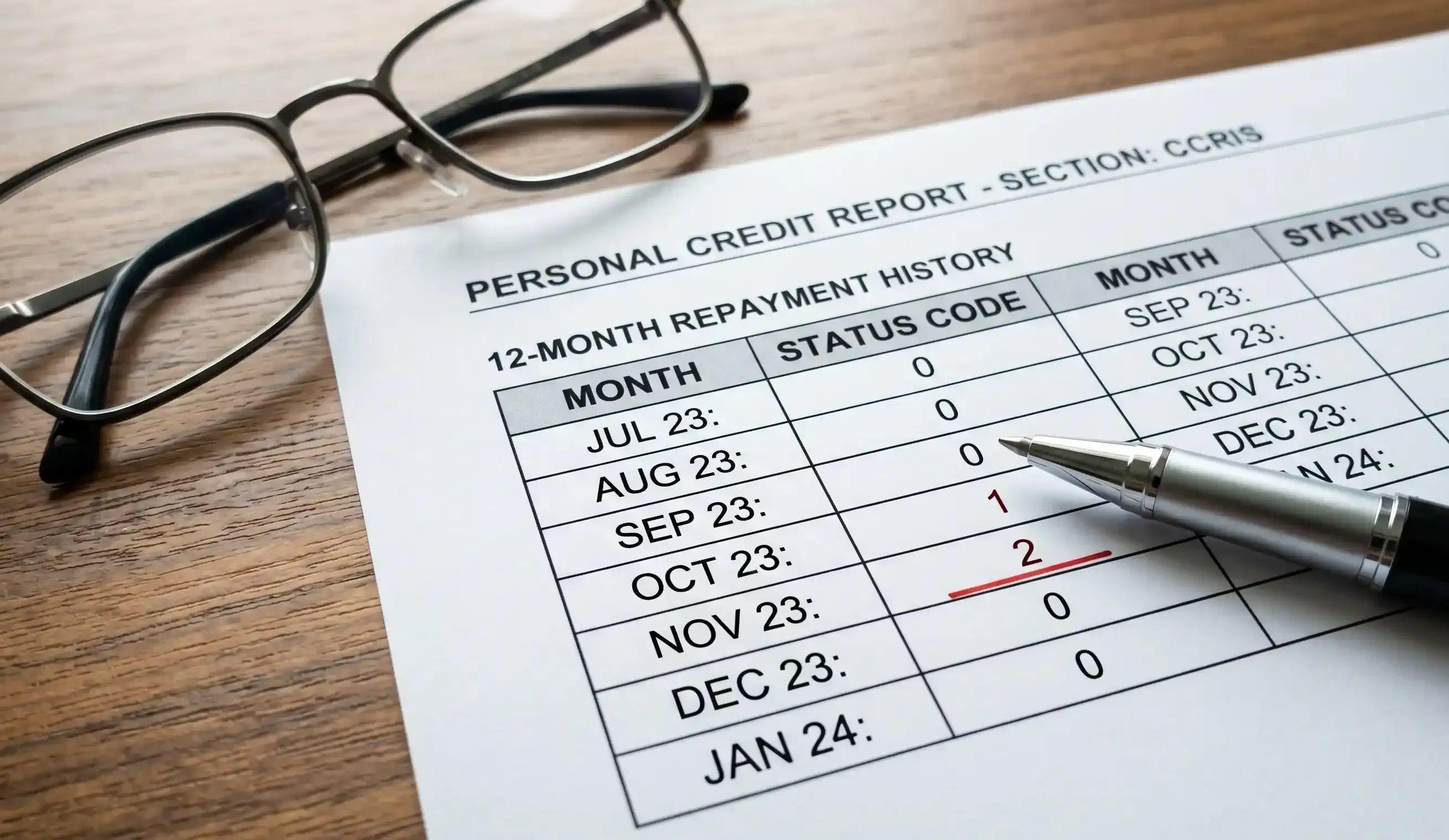
Your credit rating is a clear and factual summary of your history with debt in Malaysia. It is not a secret score hidden in a bank vault. It is a public record that shows how you have handled loans, credit cards, and other forms of borrowing over time. Every repayment you make, every due date you meet, and every account you close becomes part of this file. Lenders use it to decide whether to trust you with more credit, and if so, on what terms.
This rating is not a judgment of your character or income. It does not care how much you earn or what job you have. It only reflects your past actions with borrowed money. And because it is built from real behaviour, you always have the power to shape it through your daily financial choices.
Where Your Credit Data Comes From
In Malaysia, your credit information is collected by financial institutions that you have borrowed from. Banks, licensed moneylenders, and other approved lenders send updates about your accounts to credit reporting agencies. The main official source is CCRIS, the Central Credit Reference Information System managed by Bank Negara Malaysia. Private bureaus like Experian also compile similar records based on the same data.
Your credit report includes every active and closed credit facility you have used. It shows the original loan amount, your current outstanding balance, your repayment pattern over time, and whether you have ever defaulted or settled an account early. This information is updated regularly, often monthly, so your file stays current and reflects your most recent financial behaviour.
How Your Credit Reputation Is Built
Your credit rating grows through consistent habits, not big gestures. The most important factor is whether you pay on time. Lenders place the highest value on punctuality because it shows reliability. Missing a payment once might not cause serious damage, but a pattern of late or missed payments will weaken your standing over time.
Another key element is how much you owe compared to your available credit. If you have a RM15,000 credit card limit and you regularly carry a balance of RM12,000, it suggests you are financially stretched. Keeping your usage below 30% of your limit demonstrates control and lowers the perceived risk to lenders.
The length of your credit history also matters. Someone who has managed a personal loan responsibly for five years gives lenders more confidence than someone with only a few months of activity. That said, even new borrowers can build a strong record quickly by making timely payments and avoiding unnecessary debt.
Using different types of credit can also support your rating. For example, managing both a hire purchase car loan and a credit card shows you understand different repayment structures. However, do not take on debt just to diversify. Only borrow what you truly need and can afford to repay without stress.
How often you apply for new credit also plays a role. Each application usually triggers a credit check. Doing it too frequently in a short period can signal financial pressure, even if you are simply comparing offers. It is better to research lenders first and apply only when you are confident you meet their criteria.
Where You Can Check Your Rating
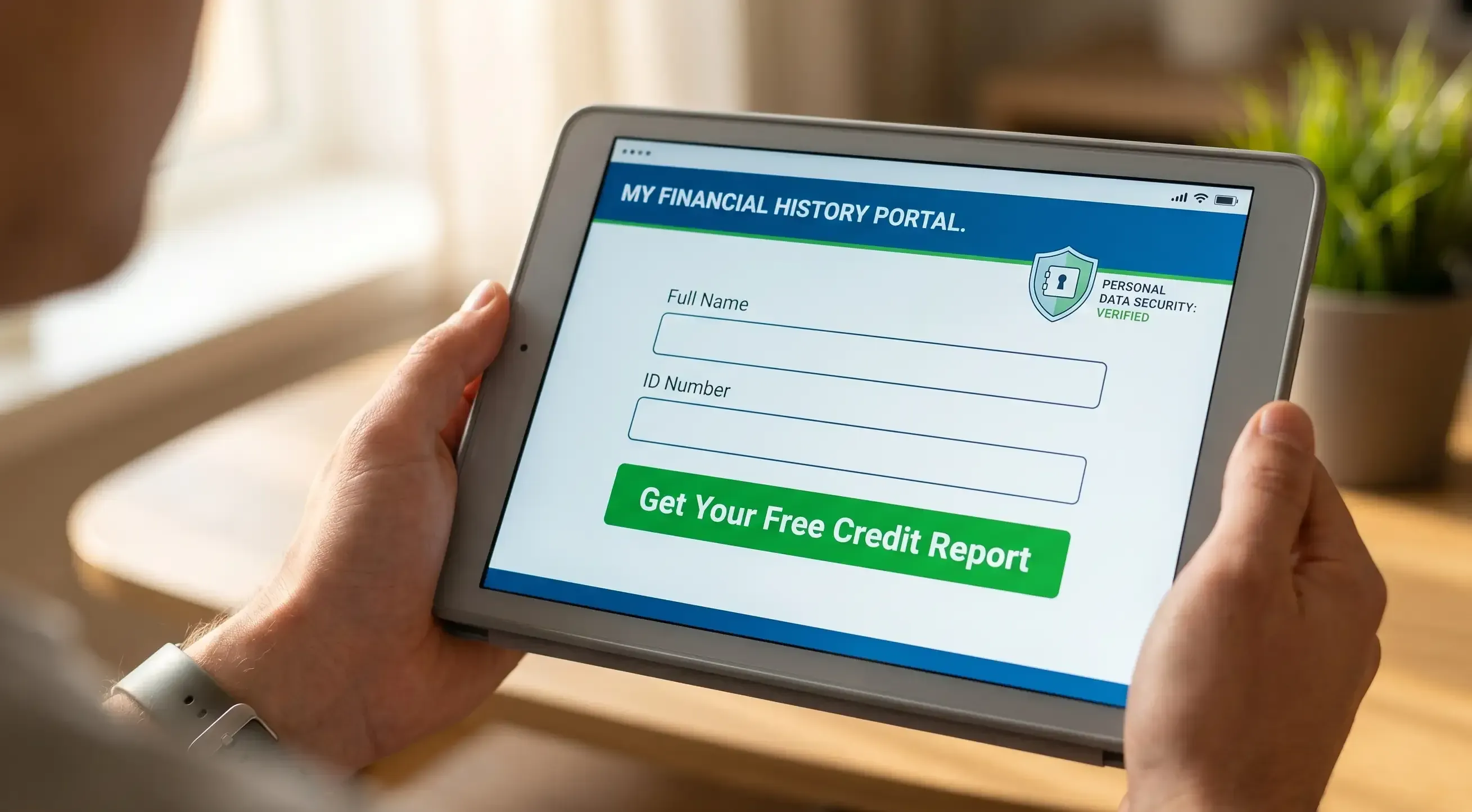
You have the legal right to see your own credit information, and the process is straightforward. To access your official report, visit the Bank Negara Malaysia website and register for the eCCRIS portal. The service is free, secure, and gives you instant access to your full credit history. You will see every loan you have taken, your payment track record, and any outstanding issues.
Private credit bureaus also offer reports, sometimes with a numerical score. These may come with a small fee, but they are optional. А CCRIS report provides useful information about your credit history and repayment records, which lenders in Malaysia may consider when assessing loan applications.
It is wise to review your credit file at least once a year. It is especially important before applying for a major loan such as car financing or a home mortgage. This gives you time to spot and correct any inaccuracies before they affect your application.
What to Do If You Find Mistakes
Errors can appear in your credit report, even with careful record-keeping. You might see a loan you never took, a payment marked as late when it was on time, or a closed account still listed as active. These mistakes can unfairly lower your credit standing and affect your ability to borrow.
If you notice something incorrect, act quickly. Contact the credit bureau directly and file a dispute. Provide supporting documents such as bank statements, payment confirmations, or lender letters that prove your claim. The bureau is required to investigate your request and correct your file if the information is inaccurate.
The correction process may take a few weeks, but it is essential. An accurate report ensures that lenders see the real picture of your financial behaviour, not a distorted version based on outdated or false data.
How to Improve Your Credit Over Time
A weak credit rating is not permanent. It can improve steadily through responsible habits. Start by ensuring every payment is made on time. Set calendar reminders or enable automatic transfers to avoid missing due dates, even by a few days.
Next, work on reducing your outstanding balances. Even small extra payments each month can lower your credit utilisation and show lenders you are in control of your finances. Avoid maxing out your credit cards or taking on new debt just because you are approved for it.
Avoid applying for multiple loans or credit cards in a short period. Each application adds a hard inquiry to your file, and too many can raise concerns about your financial stability. Also, keep older accounts open if they are in good standing. A longer credit history strengthens your overall profile and shows consistency.
Most importantly, be patient. Positive changes take time to reflect in your report. It may take three to six months to see noticeable improvement, but with consistent effort, your rating will respond. Many people rebuild their credit significantly within a year of disciplined financial behaviour.
When Your Credit Rating Really Matters
Your credit rating carries the most weight during key moments in your financial life. When you apply for a car loan through a hire purchase agreement, your rating directly influences the interest rate and monthly payment. A stronger file could save you thousands of ringgit over the loan term.
When renting an apartment, landlords may check your credit to assess whether you will pay rent reliably. A clean report can lead to faster approval and reduce the need for a large security deposit.
If you are signing up for a mobile phone on installment, your rating may determine whether you get instant approval or need to provide additional guarantees. Some insurance providers also consider it when setting premiums for certain policies.
In short, your credit rating affects far more than just borrowing money. It shapes your access to housing, services, and everyday financial opportunities across Malaysia.
Your Rating Is Your Financial Identity
Your credit rating is more than a report or a number. It is your financial identity in Malaysia’s modern economy. It follows you from one transaction to the next, from a personal loan to a rental agreement, from a credit card to a small business financing application.
Unlike a fixed document, your credit rating evolves with your choices. You do not need to be perfect. You just need to be consistent. Pay on time, borrow responsibly, and review your file regularly. These simple actions build trust and open doors to better opportunities.
The best part is that you are already in control. Your credit rating reflects your past, but it also responds to your present. And that means your next financial decision can be your strongest one yet. Every on-time payment, every reduced balance, and every thoughtful borrowing choice adds a positive layer to your financial story.
By understanding what your credit rating is, where it comes from, and how to check it, you stop guessing what lenders see and start shaping that picture yourself. This knowledge is not just useful. It is empowering. And in a world where financial decisions are increasingly data-driven, it is one of the most valuable tools you can have.
Take a few minutes this week to log in to eCCRIS. Read your report carefully. Understand where you stand. Then, if needed, take one small step toward improvement. That single action could open doors you did not even know were closed. Because in the end, your credit rating is not just about loans. It is about opportunity, trust, and the freedom to build the life you want in Malaysia.
Legal Notice
The contents of this publication are for reference purposes only and may not be current as at the date of accessing this publication. We do not take responsibility for the accuracy of its contents. They do not constitute legal advice and should not be relied upon as such. Specific legal advice about your specific circumstances should always be sought separately before taking any action based on this publication.