Considering paying off your personal loan early? In most cases, it's possible and can be beneficial. Paying off your debt ahead of time can reduce the total interest paid over the life of the loan, and it could also boost your credit score by lowering your debt-to-income ratio.
However, before making this decision, check your loan agreement for any prepayment penalties. If your interest rate is low and your goal is to strengthen your credit, it might make more sense to invest that money in a high-yield savings account and keep making regular payments.
What is a Personal Loan?
A personal loan is an unsecured loan typically used to cover various personal expenses such as consolidating debt, making home improvements, or covering emergency costs. Unlike secured loans, personal loans do not require collateral, making them an appealing option for individuals who do not own significant assets. These loans usually come with fixed interest rates and clear repayment terms, which helps borrowers plan their finances.
Personal loans are available through a variety of lenders including banks, credit unions, and online lenders, each offering different terms and conditions based on the borrower’s credit history. They are commonly used as an alternative to high-interest credit cards for people looking to manage short-term financial needs.
Why Do People Pay Off Personal Loans Early?
There are several reasons why individuals might choose to pay off their personal loans early. One of the most common reasons is to reduce overall interest costs. Since personal loans often come with relatively high interest rates compared to other debt, paying off the loan early minimizes the interest paid over time.
Another reason is the desire for financial freedom. By eliminating monthly loan payments, borrowers free up cash flow, allowing them to focus on other financial goals, such as saving for retirement or investing in other opportunities. For some, paying off the loan early may also contribute to their pursuit of financial independence, as it provides greater control over their financial future.
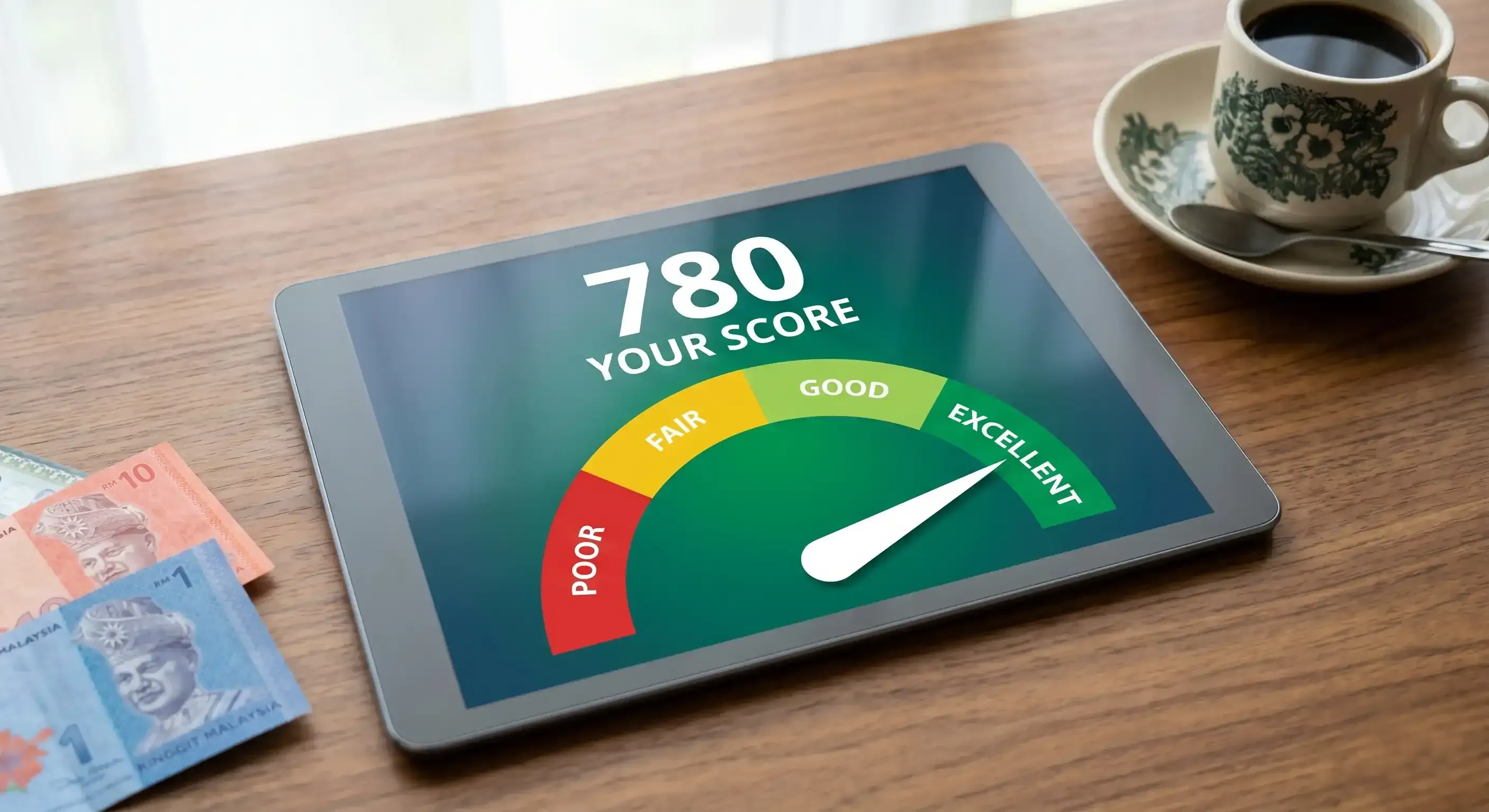
For others, early repayment is part of a strategy to improve their credit score. Reducing debt obligations and demonstrating responsible financial behavior can help improve their credit standing, which is essential for securing favorable loan terms in the future.
Pros of Paying Off a Personal Loan Early
Paying off a personal loan ahead of schedule offers several significant benefits:
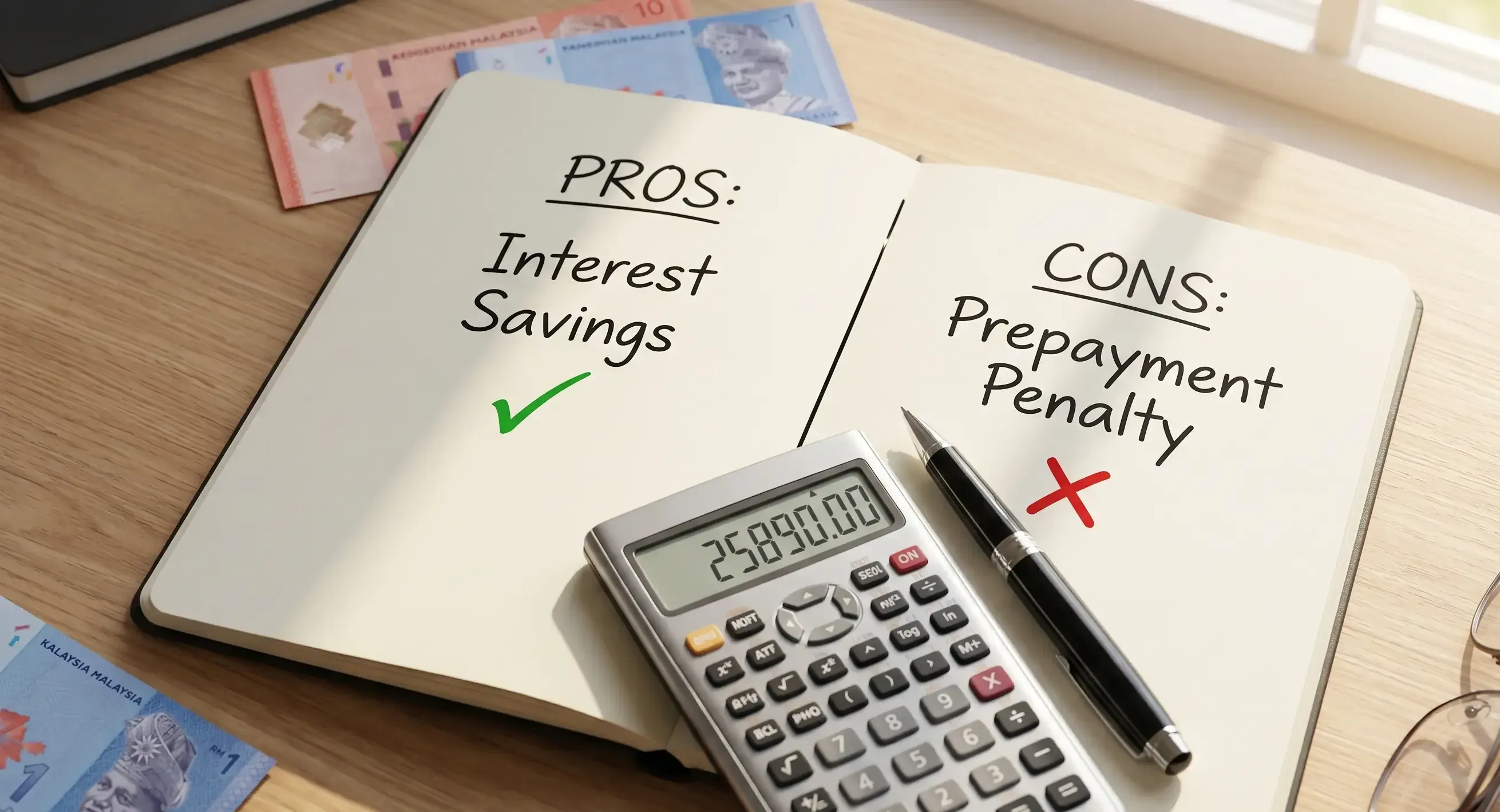
- Interest savings: Personal loans typically charge interest on the outstanding balance. By paying off the loan early, you reduce the principal balance sooner, which means less interest accrues over time. This can result in significant savings, especially with high-interest loans.
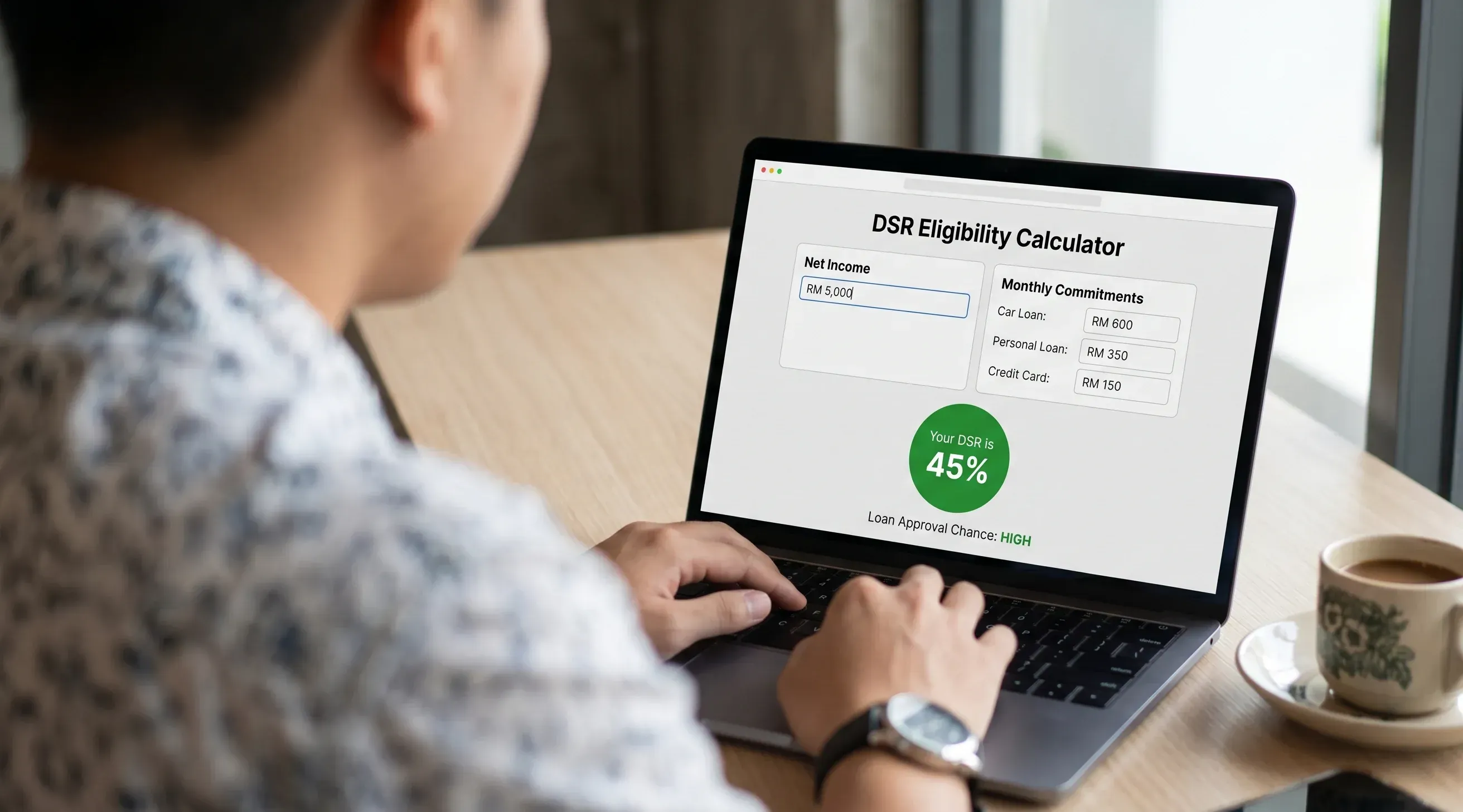
- Credit score improvement: A key factor in your credit score is your debt-to-income ratio. By paying off your loan early, you reduce the total amount of debt you owe, which can positively impact your credit score. Lenders often look favorably on borrowers who demonstrate a history of timely payments and early loan payoffs, which can make it easier to secure favorable loan terms in the future.
- Financial freedom: Without monthly loan payments, you have more flexibility to allocate funds toward other goals, such as saving for future needs or investing in higher-return opportunities. Additionally, the absence of debt can reduce stress and improve your overall financial well-being.
Cons of Paying Off a Personal Loan Early
While early loan repayment has many advantages, there are some potential drawbacks to consider:
- Prepayment penalties: Some lenders charge fees for paying off a loan ahead of schedule. These penalties are intended to compensate the lender for the interest income they lose due to the early repayment. It’s important to review the loan agreement to check for any such penalties, as they could negate the financial benefits of early repayment.
- Temporary negative effect on credit history: Although paying off a loan can improve your credit score in the long term, it might have a temporary negative impact if it reduces the number of open credit accounts with active credit lines. Credit scoring models tend to favor borrowers with a mix of different types of credit accounts, so closing an installment loan early might slightly lower your score in the short term.
- Reduced financial flexibility: If you use a large portion of your savings or liquid assets to pay off the loan, you might leave yourself with less cash available for emergencies or investment opportunities. In some cases, it could be more beneficial to keep the loan and invest the money elsewhere, especially if the interest rate on the loan is low.
When Paying Off a Personal Loan Early Makes Sense
Paying off a personal loan early can be a smart financial decision in certain situations. For instance, if you have sufficient savings and have already met other financial goals, such as building an emergency fund or saving for retirement, paying off the loan early can bring peace of mind. It eliminates the stress of monthly payments and gives you greater flexibility to focus on other financial priorities.
If improving your credit score is a goal, paying off the loan early can also be beneficial. Reducing your debt-to-income ratio by paying off the loan will positively affect your credit history, potentially helping you secure better loan terms in the future.
Additionally, if you're near the end of your loan term, paying off the remaining balance early can result in substantial interest savings without much inconvenience. If the loan term is nearly over, the interest savings may outweigh the minor inconvenience of keeping the loan for a short period.
When It Might Be Better to Keep the Loan
In some situations, it may be more beneficial to keep your personal loan rather than paying it off early. If your loan has a low interest rate, the savings from paying it off early might not be as significant. In this case, you could potentially earn a higher return by investing those funds elsewhere or using them to pay down higher-interest debt, such as credit card balances or payday loans.
Additionally, if you have access to investment opportunities with better returns than the interest savings from early loan repayment, it may be wiser to keep the loan and use the funds for investment purposes. Stocks, bonds, or other higher-yield investments could provide better returns than the money you would save by paying off the loan early.
By considering your overall financial situation, investment opportunities, and higher-priority debts, you can determine whether it’s more advantageous to continue with your current loan or pay it off ahead of schedule.
How to Make the Best Decision Regarding Paying Off a Personal Loan Early
Making the decision to pay off a personal loan early requires careful consideration of several factors to ensure it aligns with your broader financial goals. Here are key steps to take when evaluating this decision:
- Evaluate Your Financial Situation: Assess your current cash flow, savings, and any other financial obligations you have. Make sure that paying off the loan early won't negatively impact other important financial goals, such as building an emergency fund or saving for retirement.
- Review the Loan Agreement for Prepayment Penalties: Some lenders charge fees for early repayment, which can reduce or even eliminate the benefits of paying off the loan early. Ensure you understand any penalties or fees that might apply and calculate whether the savings from reduced interest outweigh these costs.
- Consider Your Other Financial Priorities: Think about your higher-priority financial goals. If paying off the loan early means sacrificing more urgent objectives, such as paying off higher-interest debt or investing in opportunities with higher returns, it may be better to keep the loan and focus on those goals first.
By carefully weighing these factors, you can make a well-informed decision that aligns with both your short-term financial situation and long-term objectives.
Weighing the Pros and Cons of Early Loan Repayment
In conclusion, paying off a personal loan early can provide several benefits, such as saving on interest, improving your credit score, and freeing up cash flow. However, it’s essential to consider the potential downsides, such as prepayment penalties, the temporary impact on your credit history, and the loss of financial flexibility.
The decision ultimately depends on your unique financial circumstances and goals. Before taking action, carefully evaluate your current financial position, review the terms of your loan, and assess how early repayment will affect other financial priorities. By doing so, you can make a well-informed decision that aligns with your long-term financial success.
Legal Notice
The contents of this publication are for reference purposes only and may not be current as at the date of accessing this publication. We do not take responsibility for the accuracy of its contents. They do not constitute legal advice and should not be relied upon as such. Specific legal advice about your specific circumstances should always be sought separately before taking any action based on this publication.